RV/MH Heritage Foundation · Elkhart, Indiana · Preserving the legacy of two industries
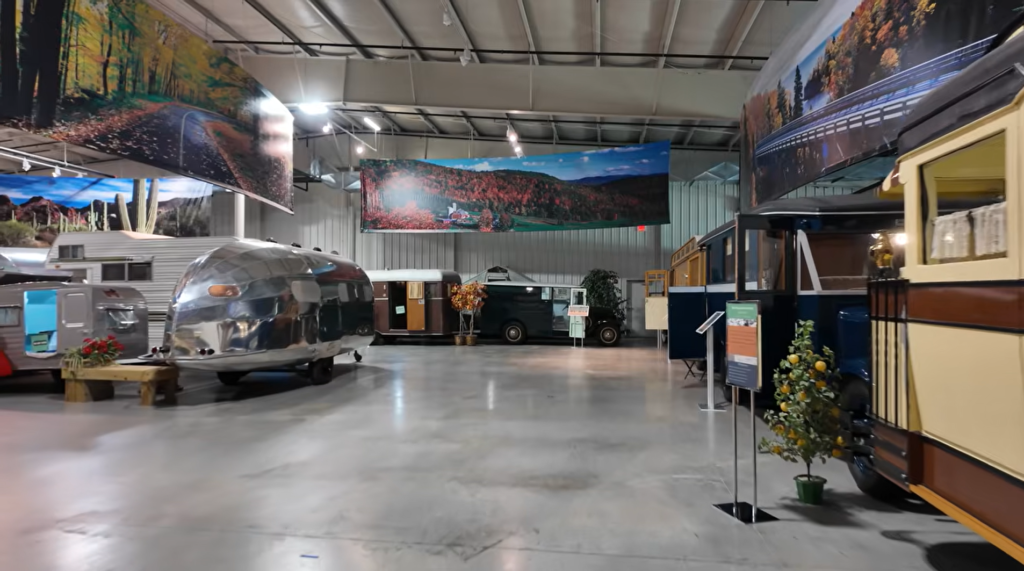
Explore more than a century of recreational-vehicle history through preserved vehicles, photographs, memorabilia, and the innovations that changed how Americans traveled. In 2026, the Foundation reorganized Founders Hall chronologically, refreshed exhibit staging, and installed new historical signage to strengthen the visitor story.
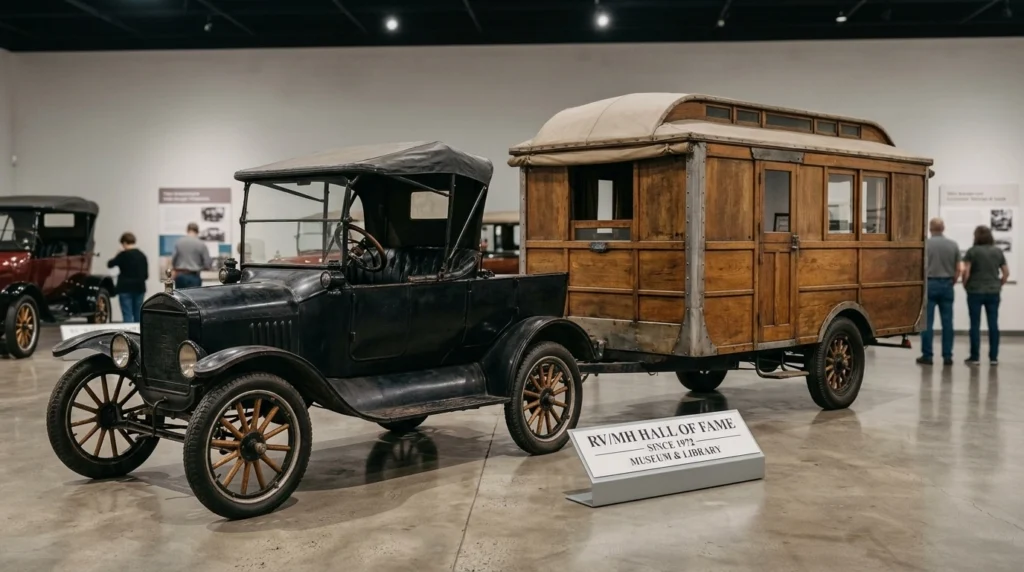
Walk through a collection that presents the chronological and technological development of recreational vehicles, from the years before World War I through later generations of trailers and motorhomes. Historic vehicles, photographs, and memorabilia connect individual designs with the broader story of recreational travel.
Alongside the featured vehicles below, the collection includes the 1931 Tennessee Traveler, the 1932 Gilkie Tent Trailer, the 1954 Ranger pop-up trailer by Hille Engineering, a 1969 Ford-based chassis-mount motorhome, and the 1977 Travco. Together, these examples offer a closer look at the variety of vehicles that became part of American travel history.
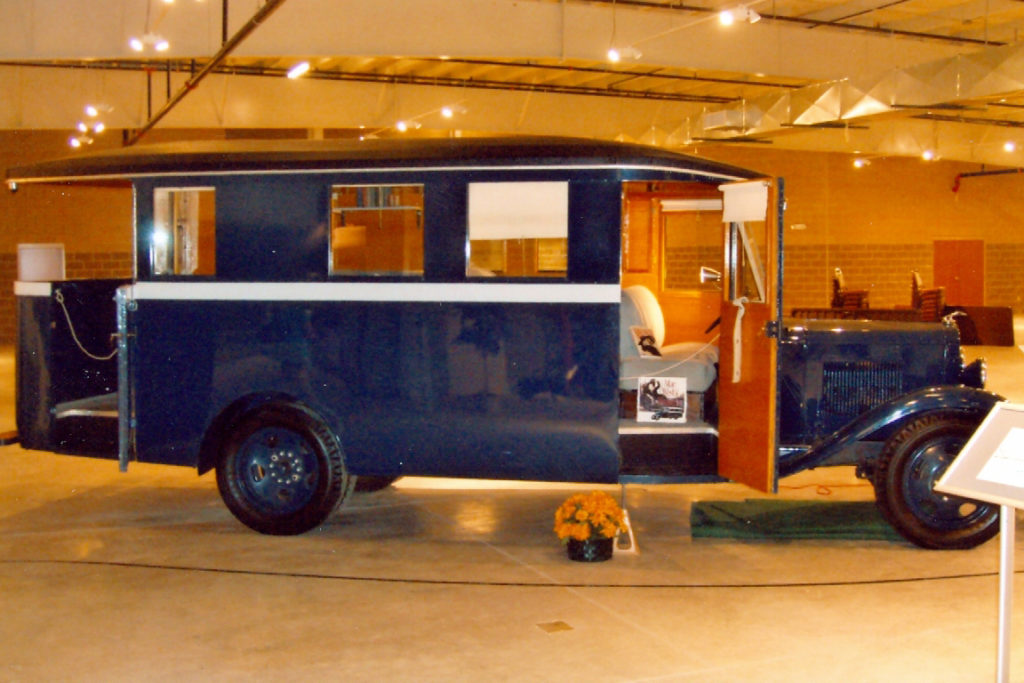
Built for Paramount Studios for Mae West when she moved from vaudeville into motion pictures in 1931.
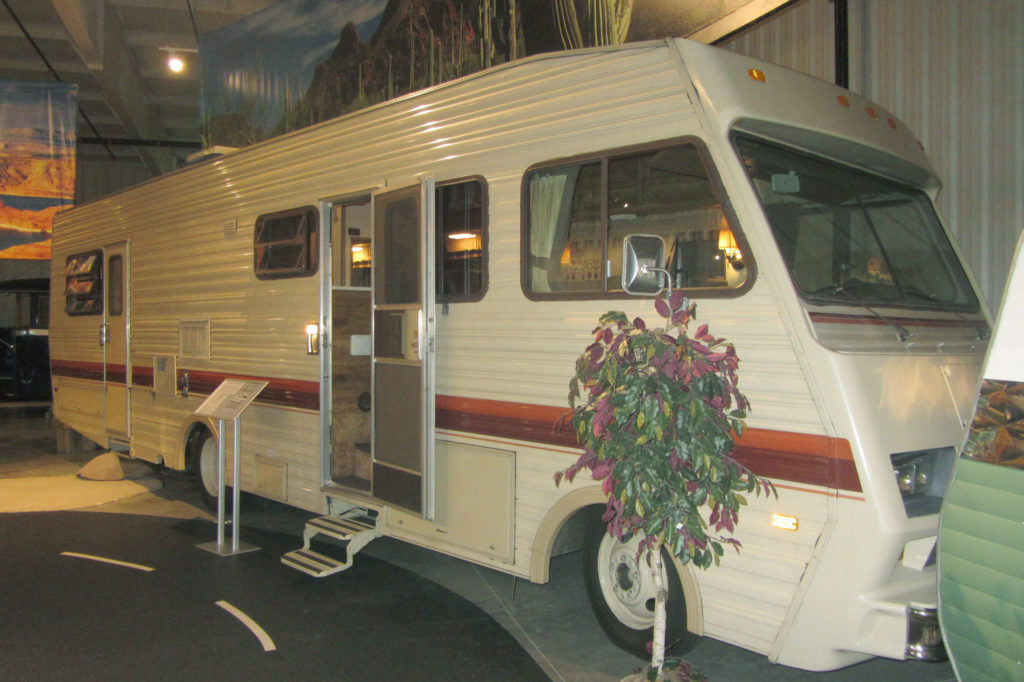
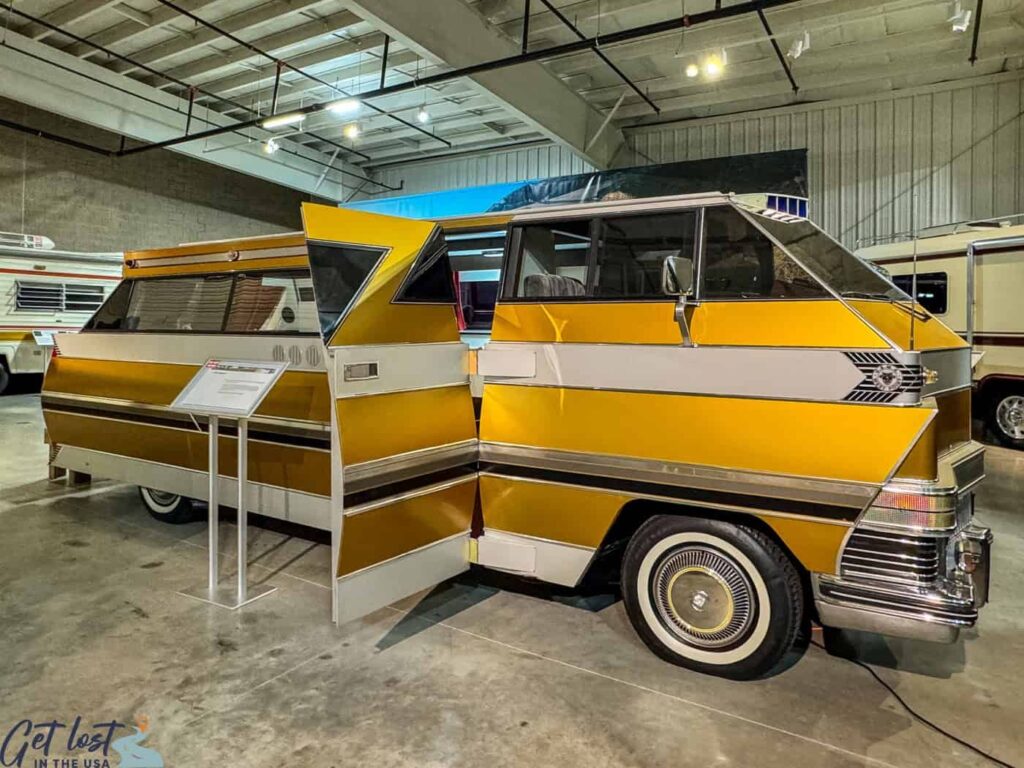
Fleetwood founder John Crean’s 1985 prototype for the 1986–87 Bounder.
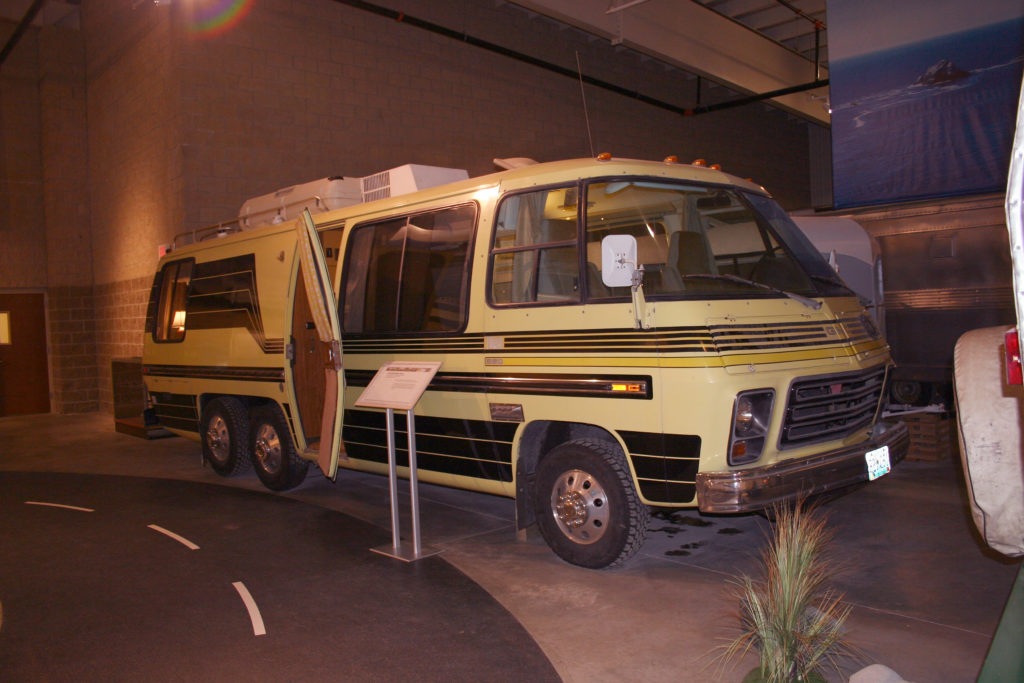
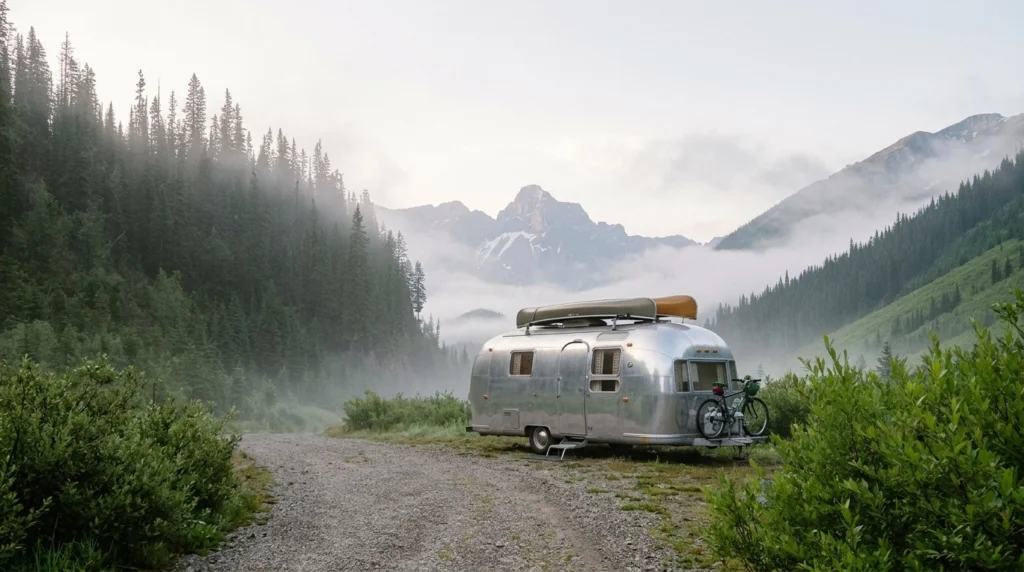
A classic example from the collection that illustrates the evolving design of American motorhomes.
One of the defining chapters in the RV museum’s growth came with the acquisition of historian David Woodworth’s nationally significant collection of antique recreational vehicles and related historical materials. The Foundation preserves the collection as part of its public interpretation of early RV history. Hall of Fame member Robert “Boots” Ingram is also documented in Foundation records as an important industry figure and supporter. The precise acquisition and donation history of the Woodworth collection is being verified against archival records before additional provenance details are published.
The collection included dozens of pre-World War II RVs along with artifacts and historical literature. Vehicles associated with the Woodworth collection that remain part of the Foundation’s interpretation include early tent trailers and housecars such as the 1916 Ford Telescoping Apartment, 1916 Cozy Camp Tent Trailer, 1928 Pierce Arrow Fleet Housecar, 1929 Wiedman Housecar, 1931 Chevrolet Housecar, 1931 Ford Model AA Housecar, 1936 Roadhome Coach and 1937 Hunt Housecar.
Preserving this collection required both historical vision and philanthropy. Its presence allows visitors to encounter the experimental years of recreational travel through original vehicles rather than photographs alone.
David Woodworth’s collecting and research preserved rare examples of early RV history. The Ingram family’s support helped secure that history for the Foundation and for future generations of visitors.